
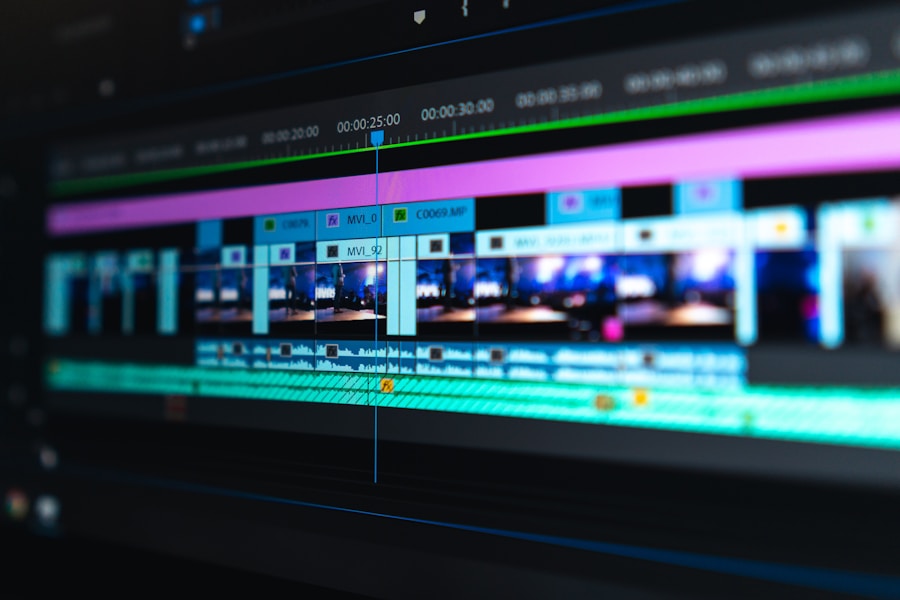
Video has become a fundamental tool for communication and engagement in the digital realm. Effectively utilizing video allows individuals and organizations to forge meaningful connections with their audiences and cultivate a robust online presence. This guide outlines key strategies and considerations for leveraging video content.
Understanding the Landscape of Online Video
The proliferation of internet-connected devices, from smartphones to smart televisions, has made video an accessible and preferred medium for information consumption and entertainment. Platforms such as YouTube, TikTok, Instagram, and Facebook have democratized video creation and distribution, enabling a wide range of voices to reach global audiences.
The Dominance of Visual Content
Human beings are inherently visual creatures. Studies consistently show that audiences are more likely to engage with and retain information presented in a video format compared to text-only content. This is due to the combination of auditory and visual stimuli, which can evoke emotions, clarify complex ideas, and create a more immersive experience. Think of video as a direct conduit to your audience’s attention, bypassing some of the cognitive filters that text might encounter.
The Psychological Impact of Multimedia
When you present information through video, you’re not just relaying facts; you’re telling a story. The interplay of images, sound, and motion can trigger emotional responses, foster empathy, and build a sense of relatability. This emotional resonance is crucial for establishing a strong connection with viewers.
Platform Diversity and Audience Segmentation
The choice of video platform significantly influences the type of content you create and the audience you reach. Each platform has its own algorithms, user demographics, and content formats.
YouTube: The Video Encyclopedia
YouTube remains a cornerstone for longer-form content, tutorials, documentaries, and vlogs. Its search-driven nature makes it ideal for evergreen content that addresses specific audience needs and queries. A well-optimized YouTube channel can become a valuable repository of information, attracting viewers seeking solutions or in-depth exploration of topics.
TikTok and Instagram Reels: The Short-Form Revolution
These platforms cater to a preference for brief, engaging, and often entertaining video clips. Their algorithmic feeds prioritize discoverability, making them powerful tools for reaching new audiences and participating in trending conversations. The rapid-fire nature of these formats requires content to be concise, visually striking, and immediately captivating.
Short-Form Video Best Practices
To succeed on these platforms, focus on high-impact visuals, clear and direct messaging, and engaging audio. Authenticity and a willingness to experiment with creative trends are also paramount. The goal is to grab attention within the first few seconds and deliver a memorable message before viewers scroll away.
LinkedIn Video: Professional Engagement
For business-to-business (B2B) audiences and professional networking, LinkedIn offers a platform for thought leadership, company updates, and industry insights. Video content on LinkedIn tends to be more polished and educational, aiming to establish credibility and foster professional relationships.
Emerging Video Trends and Technologies
The video landscape is constantly evolving with new technologies and trends. Keeping abreast of these developments can provide a competitive edge.
Live Streaming: Real-Time Interaction
Live video allows for immediate engagement and a sense of spontaneity. Q&A sessions, product launches, and behind-the-scenes glimpses can foster a strong sense of community and transparency. The absence of post-production editing can lend an air of authenticity.
Interactive Video and Shoppable Content
Advancements in video technology are enabling more interactive experiences, where viewers can click on elements within a video to learn more, make purchases, or navigate to different content. This bridges the gap between passive viewing and active engagement.
Crafting a Compelling Video Strategy
A successful video presence is not accidental; it requires strategic planning and execution. Before pressing record, it’s essential to define your objectives and understand your audience.
Defining Your Objectives
What do you aim to achieve with your video content? Are you looking to increase brand awareness, drive website traffic, generate leads, educate your audience, or build a community? Clear objectives will guide your content creation and measurement of success.
Setting SMART Goals
Your video objectives should be Specific, Measurable, Achievable, Relevant, and Time-bound. For example, instead of “increase engagement,” a SMART goal might be “increase the average watch time on our YouTube tutorials by 15% within the next quarter.”
Identifying Your Target Audience
Understanding who you are trying to reach is paramount. Consider their demographics, interests, pain points, and the platforms they frequent. The more precisely you understand your audience, the better you can tailor your video content to resonate with them.
Creating Audience Personas
Developing detailed audience personas can help you visualize your ideal viewer. Give them names, backgrounds, motivations, and challenges. This exercise makes it easier to anticipate their needs and preferences when creating video content.
Developing a Content Calendar
A content calendar acts as your roadmap for video production. It outlines what content you will create, when it will be published, and on which platforms. This ensures consistency and allows for strategic planning around relevant events or holidays.
The Value of Consistency
Regularly publishing video content signals to algorithms and your audience that you are an active and reliable source of information or entertainment. Consistency builds anticipation and habituates your audience to expect new content from you.
Determining Your Video Formats
The type of video you produce should align with your objectives, audience, and chosen platforms.
Educational Videos and Tutorials
These are excellent for establishing expertise and providing value. Think of them as digital workshops where you impart knowledge and solve problems for your viewers.
Behind-the-Scenes Content
Showing the human side of your brand or operations can build trust and authenticity. This might include glimpses of your workspace, team interviews, or the process of product development.
Testimonials and Case Studies
Social proof is powerful. Hearing directly from satisfied customers or seeing the results of your services in action can be highly persuasive. These videos act as digital endorsements.
Product Demonstrations and Reviews
Clearly showcasing what your product does and the benefits it offers is essential for sales and customer understanding. Visual demonstrations are often far more effective than written descriptions.
Vlogs and Personal Stories
For individuals or brands aiming to build a strong personal connection, vlogs and storytelling can be highly effective. This allows personality to shine through.
Executing High-Quality Video Production
While professional equipment is not always necessary, attention to detail in production quality significantly impacts audience perception.
Essential Equipment and Software
You don’t need a Hollywood studio to create good videos. A modern smartphone with a good camera, a stable tripod, adequate lighting, and decent audio are often sufficient for many purposes.
Lighting Considerations
Good lighting is crucial for clear visuals. Natural light is often the most flattering. If using artificial lights, consider ring lights or softboxes to create even illumination and avoid harsh shadows. Poor lighting can make even the most compelling content appear amateurish.
Audio Quality
Muffled or noisy audio can quickly disengage viewers. Invest in an external microphone, such as a lavalier mic or a shotgun mic, to capture clear and crisp sound. While visuals draw viewers in, poor audio can drive them away.
Filming and Editing Techniques
The way you film and edit your video can make a substantial difference in its watchability and effectiveness.
Framing and Composition
Think of your camera frame as a canvas. Apply principles of composition, such as the rule of thirds, to make your visuals more appealing. Varying shots – wide, medium, and close-ups – can keep the viewer engaged and emphasize key details.
Pacing and Flow
The rhythm of your video is important. Edit out unnecessary pauses or rambling. Use transitions effectively to guide the viewer through the content smoothly. A well-paced video feels cohesive and keeps the audience’s attention.
Adding Graphics and Text Overlays
On-screen text can enhance comprehension, highlight key information, and reinforce your brand. Graphics and animations can add visual interest and professionalism.
Branding Your Videos
Consistency in your visual branding helps reinforce your identity and makes your content instantly recognizable.
Incorporating Logos and Brand Colors
Use your logo strategically, perhaps subtly in a corner or at the beginning and end of your video. Incorporate your brand colors into graphics and text overlays.
Brand Voice and Tone
Your video content should reflect your overall brand voice. Whether it’s formal and authoritative, or casual and friendly, maintain a consistent tone across all your video productions.
Distributing and Promoting Your Video Content
Creating great video is only half the battle; effective distribution and promotion are essential for reaching your intended audience.
Optimizing for Search Engines (SEO)
Just like web pages, videos can be optimized for search engines to increase their discoverability.
Keyword Research
Identify the terms your target audience uses when searching for information related to your content. Use these keywords in your video titles, descriptions, and tags.
Compelling Titles and Thumbnails
Your video title and thumbnail are the first impression. They need to be intriguing enough to encourage clicks. A strong thumbnail acts as a visual billboard for your video.
Leveraging Social Media
Share your videos across all relevant social media platforms, tailoring your approach to each platform’s best practices.
Cross-Promotion Strategies
Don’t just share a link; create platform-specific teasers or snippets to drive traffic to your main video. Encourage engagement by asking questions or prompting comments.
Paid Promotion and Advertising
Consider using paid advertising options on platforms like YouTube, Facebook, or Instagram to boost the reach of your most important video content. This can be a powerful way to target specific demographics.
Engaging with Your Audience Post-Publication
The conversation doesn’t end once the video is live. Active engagement with your viewers is crucial for building community.
Responding to Comments and Questions
Be present in the comments section. Respond to questions, acknowledge feedback, and foster a sense of dialogue. This shows your audience that you value their input.
Analyzing Performance Metrics
Most video platforms provide analytics. Track metrics such as watch time, audience retention, engagement rates, and click-through rates to understand what’s working and what can be improved. This data is your compass for future content.
Measuring Success and Iterating Your Strategy
Like any marketing or communication effort, video content requires ongoing analysis and refinement to maximize its impact.
Key Performance Indicators (KPIs)
Identify the metrics that directly align with your initial objectives.
Engagement Metrics
This includes likes, comments, shares, and saves. High engagement suggests your content is resonating with your audience.
Reach and Impressions
These metrics indicate how many people have seen your video and how many times it has been displayed.
Watch Time and Audience Retention
These are critical for understanding how long viewers are staying engaged with your content. Low audience retention might indicate that your content is not holding attention effectively.
Conversion Rates
If your goal is to drive specific actions (e.g., website visits, sign-ups, purchases), track how many viewers complete these actions after watching your video.
Analyzing Viewer Feedback
Pay close attention to what your audience tells you through comments, messages, and survey responses. This qualitative feedback is invaluable for understanding their perceptions and needs.
Iterating and Adapting
The digital landscape is fluid. Be prepared to experiment with new formats, platforms, and strategies based on your analytics and audience feedback. Your initial video strategy is a starting point, not a rigid blueprint. A willingness to adapt is key to long-term success.
By embracing a strategic, audience-centric approach to video production and distribution, you can effectively harness its power to connect with your audience, build a strong online presence, and achieve your communication goals.