
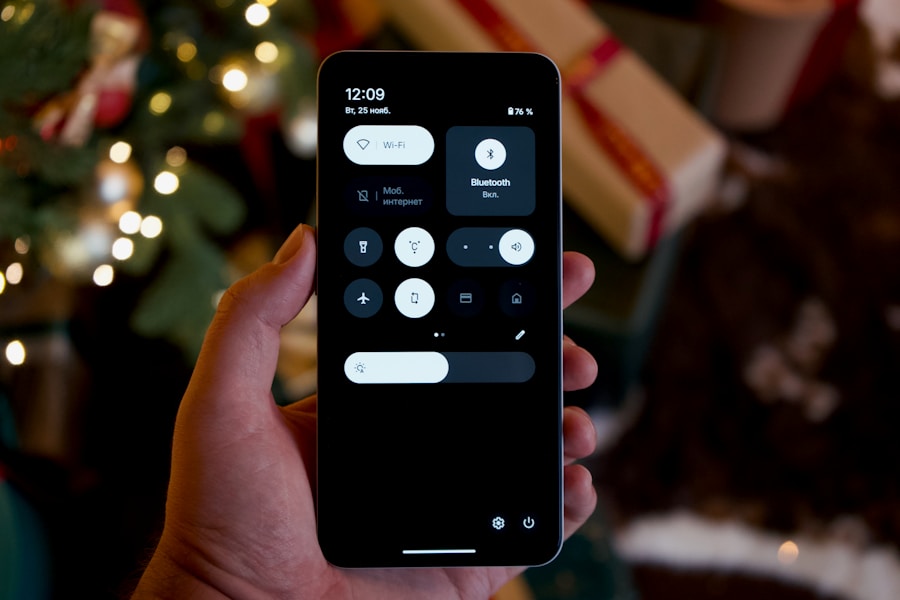
Messaging platforms have come a long way since the early days of email and instant messaging. With the advent of smartphones and social media, the way we communicate with each other has been revolutionized. From the days of AOL Instant Messenger and MSN Messenger to the rise of WhatsApp, Facebook Messenger, and Snapchat, messaging platforms have evolved to become more than just a means of communication. They have become integral parts of our daily lives, allowing us to stay connected with friends, family, and colleagues no matter where we are in the world.
The evolution of messaging platforms has also seen the integration of new features such as video calling, voice messaging, and the ability to share photos and videos in real-time. These advancements have made it easier than ever to connect with others and have transformed the way we communicate. Additionally, the rise of messaging apps has also led to the decline of traditional SMS messaging, as more and more people opt for free and convenient messaging platforms over costly text messaging plans.
The Impact of Instant Communication on Relationships
The rise of instant communication has had a profound impact on relationships, both personal and professional. On one hand, instant messaging has made it easier than ever to stay in touch with loved ones, no matter where they are in the world. Whether it’s a quick “I love you” text or a spontaneous video call, instant communication has made it possible to maintain close connections with friends and family members, even when physical distance separates us.
However, instant communication has also brought about new challenges in relationships. The constant availability and immediacy of messaging platforms can lead to feelings of pressure and expectation, as individuals feel the need to respond to messages immediately. This can lead to misunderstandings and hurt feelings when messages are not replied to promptly. Additionally, the lack of non-verbal cues in instant messaging can sometimes lead to misinterpretations and miscommunications, which can strain relationships. It’s important for individuals to navigate the impact of instant communication on their relationships and find a balance that works for both parties.
Navigating the Etiquette of Messaging in the Digital Age
In the digital age, navigating the etiquette of messaging has become increasingly important. With the rise of instant communication, it’s crucial for individuals to understand the appropriate ways to communicate via messaging platforms. This includes understanding when it’s appropriate to send a message, how to respond to messages in a timely manner, and how to convey tone and emotion effectively through text.
One key aspect of messaging etiquette is understanding the importance of respecting others’ boundaries and preferences when it comes to communication. Not everyone may be comfortable with constant messaging or may have different expectations for response times. It’s important to communicate openly with others about their preferences and to respect their boundaries.
Another important aspect of messaging etiquette is understanding the impact of tone and language in messages. Without the benefit of non-verbal cues, it can be easy for messages to be misinterpreted. It’s important to choose language carefully and consider how messages may be perceived by the recipient. Additionally, using emojis and emoticons can help convey tone and emotion in messages, adding an extra layer of clarity to communication.
The Role of Emojis and Emoticons in Instant Communication
Emojis and emoticons have become integral parts of instant communication, playing a crucial role in conveying tone and emotion in messages. These small pictograms and symbols have become universal in their use, transcending language barriers and adding depth to text-based communication.
Emojis and emoticons can help convey tone and emotion in messages, adding an extra layer of clarity to communication. For example, a simple smiley face can indicate that a message is meant in a lighthearted or friendly manner, while a sad face can convey empathy or concern. Emojis can also add personality and flair to messages, making them more engaging and expressive.
However, it’s important to use emojis and emoticons judiciously in communication. Overuse of emojis can detract from the message itself and may come across as unprofessional in certain contexts. It’s important to consider the appropriateness of using emojis based on the nature of the conversation and the recipient.
Managing the Overload of Instant Messages
With the constant availability of messaging platforms, managing the overload of instant messages has become a common challenge for many individuals. The constant stream of notifications and messages can be overwhelming, leading to feelings of stress and anxiety. It’s important for individuals to find strategies for managing the influx of messages in order to maintain a healthy balance.
One effective strategy for managing message overload is setting boundaries around messaging habits. This may include turning off notifications during certain times of day or setting specific times for checking messages. By establishing clear boundaries around messaging, individuals can create space for focused work or personal time without feeling constantly tethered to their devices.
Another strategy for managing message overload is prioritizing messages based on urgency and importance. Not all messages require an immediate response, and it’s important for individuals to discern which messages require immediate attention and which can wait. By prioritizing messages, individuals can avoid feeling overwhelmed by the constant influx of notifications.
Balancing Work and Personal Messaging
Balancing work and personal messaging is a common challenge in the digital age. With the rise of remote work and flexible schedules, many individuals find themselves navigating a blurred line between work-related messages and personal communication. It’s important for individuals to establish clear boundaries between work and personal messaging in order to maintain a healthy balance.
One key aspect of balancing work and personal messaging is setting clear expectations with colleagues and supervisors about communication outside of working hours. It’s important for individuals to communicate their availability and preferred methods of communication in order to avoid feeling constantly tethered to work-related messages during personal time.
Additionally, it’s important for individuals to establish boundaries around personal messaging during working hours in order to maintain focus and productivity. This may include setting specific times for checking personal messages or turning off notifications during focused work periods.
The Future of Instant Communication: Trends and Innovations
The future of instant communication holds exciting possibilities for new trends and innovations in messaging platforms. As technology continues to advance, we can expect to see new features and capabilities that will further transform the way we communicate with each other.
One trend that is likely to shape the future of instant communication is the integration of artificial intelligence (AI) into messaging platforms. AI-powered chatbots are already being used in customer service settings, but we can expect to see more advanced AI capabilities integrated into messaging platforms for personalized communication experiences.
Additionally, we can expect to see advancements in augmented reality (AR) and virtual reality (VR) technologies that will revolutionize the way we interact with others through messaging platforms. These technologies have the potential to create immersive communication experiences that go beyond text-based messaging.
Overall, the future of instant communication holds exciting possibilities for new trends and innovations that will continue to transform the way we connect with others. As technology continues to advance, we can expect messaging platforms to become even more integrated into our daily lives, offering new ways to communicate and connect with others.