
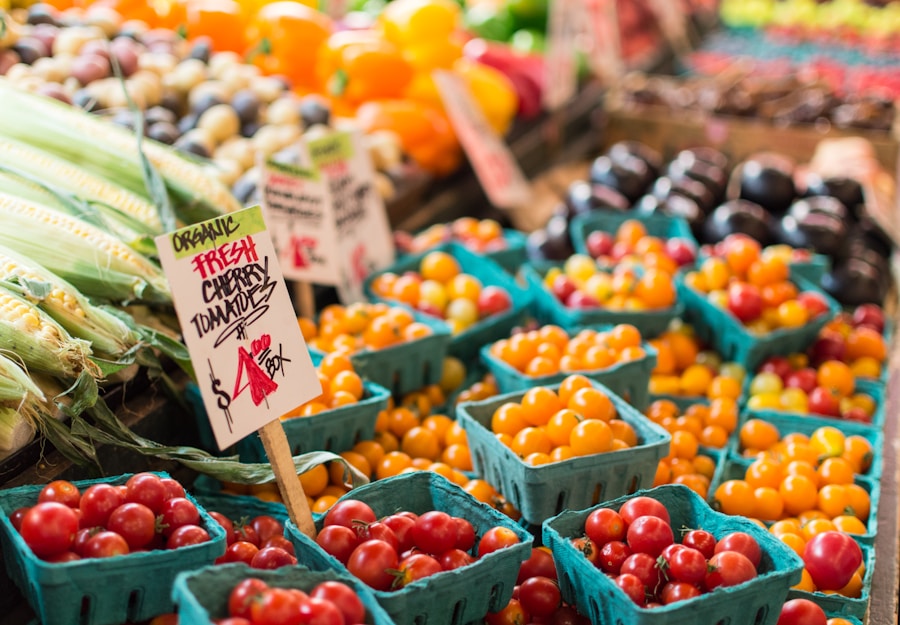
Organic foods have gained attention for cultivation methods that prioritize ecological balance and biodiversity. The term “organic” signifies a system of production and processing that adheres to specific standards, often involving natural fertilizers and pest control, and avoiding synthetic pesticides, genetically modified organisms (GMOs), and antibiotics in animal products. This article presents a selection of foods often highlighted for their organic benefits, offering a guide for informed grocery choices.
Understanding Organic Certification
Before delving into specific foods, it is crucial to understand what “organic” means on a label. Certification bodies, operating under national or international standards, inspect farms and processing facilities to ensure compliance. These standards typically revolve around soil quality, animal welfare, pest and weed control, and the use of additives.
Why Choose Organic?
The motivations for selecting organic vary. Some consumers prioritize environmental concerns, recognizing organic farming’s potential to reduce pollution and conserve natural resources. Others focus on personal health, aiming to minimize exposure to pesticide residues. Animal welfare is another frequently cited reason, as organic standards often mandate humane living conditions.
Organic Produce: Foundations of a Healthy Diet
Produce forms the cornerstone of many diets. Organic fruits and vegetables are cultivated without synthetic pesticides and fertilizers, a distinction that often influences consumer preference.
Leafy Greens: Spinach and Kale
Spinach and kale are nutrient-dense vegetables. Both are good sources of vitamins A, C, and K, as well as various minerals. Organic cultivation aims to build healthy soil, which can, in turn, contribute to robust plant growth.
- Spinach: This leafy green is versatile, suitable for salads, smoothies, and cooked dishes. Its mild flavor makes it broadly appealing.
- Kale: Known for its tougher texture and slightly bitter taste, kale is often massaged with dressing for salads or cooked to soften its leaves. It is a powerhouse of antioxidants.
Berries: Blueberries and Strawberries
Berries are often cited for their antioxidant content and flavor. Their delicate skins can make them more susceptible to pesticide residues in conventional farming, making organic options a common choice for many consumers.
- Blueberries: Small and sweet, blueberries are adaptable to breakfasts, desserts, or snacking. They are a source of vitamin C and dietary fiber.
- Strawberries: These widely enjoyed fruits offer a balance of sweetness and tartness. Organic strawberries are cultivated without many of the synthetic chemicals applied to conventional crops.
Apples
Apples are a staple fruit, recognized for their portability and versatility. Their popularity means they are widely grown, and conventional methods often involve a substantial pesticide regimen. Organic apples provide an alternative cultivated with different environmental considerations.
- Pesticide Residue: The skin of an apple is often consumed, and this is where many pesticide residues can concentrate. Organic certification ensures these apples are grown without synthetic pesticides.
- Variety and Uses: Organic apples are available in numerous varieties, suitable for eating fresh, baking, or juicing.
Organic Grains: Staple Foods with a Conscience
Grains form a significant part of global food consumption. Organic grain cultivation focuses on soil health and avoids synthetic inputs, differentiating it from industrial farming practices.
Oats
Oats are a breakfast staple known for their fiber content, particularly beta-glucan, which has been linked to various health benefits. Organic oats are grown without synthetic pesticides or fertilizers.
- Breakfast Cereal: Rolled oats are a common ingredient in oatmeal and granola.
- Baking: Oat flour and whole oats are used in baking for texture and nutritional enhancement.
Quinoa
Quinoa, botanically a seed but often used as a grain, is notable for being a complete protein, meaning it contains all nine essential amino acids. Its cultivation typically involves less intensive irrigation than some other grains, though specific practices vary.
- Protein Source: Quinoa is an excellent plant-based protein source.
- Versatility: It can be used as a side dish, in salads, or as a base for meals.
Organic Legumes: Plant-Based Protein Powerhouses
Legumes are indispensable for plant-based diets, offering substantial protein, fiber, and micronutrients. Organic cultivation aims to maintain soil fertility and avoid synthetic chemical intervention.
Lentils
Lentils are an accessible and versatile legume, valued for their quick cooking time and nutritional profile. They contribute significantly to dietary fiber and protein intake.
- Types: Various types of lentils exist, including green, brown, red, and black, each with slightly different textures and cooking properties.
- Culinary Uses: Lentils are a basis for soups, stews, curries, and salads.
Chickpeas (Garbanzo Beans)
Chickpeas are a widely consumed legume, a source of protein and dietary fiber. Organic chickpeas are grown without synthetic pesticides and fertilizers, aligning with sustainable agricultural practices.
- Hummus: Chickpeas are the primary ingredient in hummus, a popular dip.
- Roasted Snacks: Roasted chickpeas offer a crunchy, protein-rich snack.
Organic Dairy and Eggs: Ethical and Health Considerations
For many consumers, choices regarding dairy and eggs extend beyond nutrition to encompass animal welfare and the environmental impact of animal agriculture. Organic standards address these concerns directly.
Organic Eggs
Organic eggs come from hens raised under specific conditions. These conditions typically include access to the outdoors, a diet of organic feed (free from GMOs and synthetic pesticides), and no prophylactic antibiotics or artificial hormones.
- Animal Welfare: Organic certification for eggs often signifies improved living conditions for hens compared to conventional caged systems.
- Nutritional Comparison: While the nutritional differences between organic and conventional eggs are sometimes debated, the farming practices are a key differentiator for consumers.
Organic Milk
Organic milk is sourced from cows that are fed organic feed, are not treated with antibiotics or synthetic growth hormones, and have access to pasture. These standards collectively aim to promote animal health and reduce environmental impact.
- No Antibiotics: The absence of antibiotics in organic dairy animals is a significant consumer appeal.
- Pasture Access: Organic standards generally mandate that cows have meaningful access to pasture, contributing to their welfare and potentially influencing milk composition.
Incorporating Organic Foods into Your Grocery List
Transitioning to an organic-centric grocery list does not require an immediate overhaul. Strategic choices can be made based on budget, availability, and personal priorities.
Prioritizing Organic Purchases
A common strategy involves referring to lists such as the “Dirty Dozen” and “Clean Fifteen,” which categorize produce by pesticide residue levels. While these lists are not universally endorsed by all scientific bodies, they offer a heuristic for prioritizing organic produce.
- “Dirty Dozen”: These fruits and vegetables are reported to have higher pesticide residues when conventionally grown, making them frequent candidates for organic purchase. Examples often include strawberries, spinach, and kale.
- “Clean Fifteen”: These foods are generally found to have lower pesticide residues, even in conventional forms. Examples often include avocados, sweet corn, and onions.
Budgetary Considerations
Organic products often carry a higher price point due to increased production costs, including labor, certification, and smaller scale farming operations. Budgeting effectively involves:
- Seasonal Eating: Purchasing organic produce when it is in season can often reduce costs.
- Bulk Buying: For shelf-stable items like organic grains and legumes, buying in bulk can be more economical.
- Store Brands: Many grocery chains offer their own organic store brands, which can be more affordable than national organic brands.
Conclusion
The selection of organic foods on a grocery list reflects a range of considerations, from environmental stewardship and animal welfare to perceived health benefits. The foods outlined here—leafy greens, berries, apples, oats, quinoa, lentils, chickpeas, organic eggs, and organic milk—represent categories where organic production methods significantly differentiate them from their conventional counterparts in terms of cultivation practices and ethical implications. You, as the consumer, wield the power of choice at the grocery store, shaping your diet and, by extension, supporting the agricultural systems that align with your values. Viewing your grocery list not just as a compilation of items, but as a series of decisions, empowers you to make informed choices.