
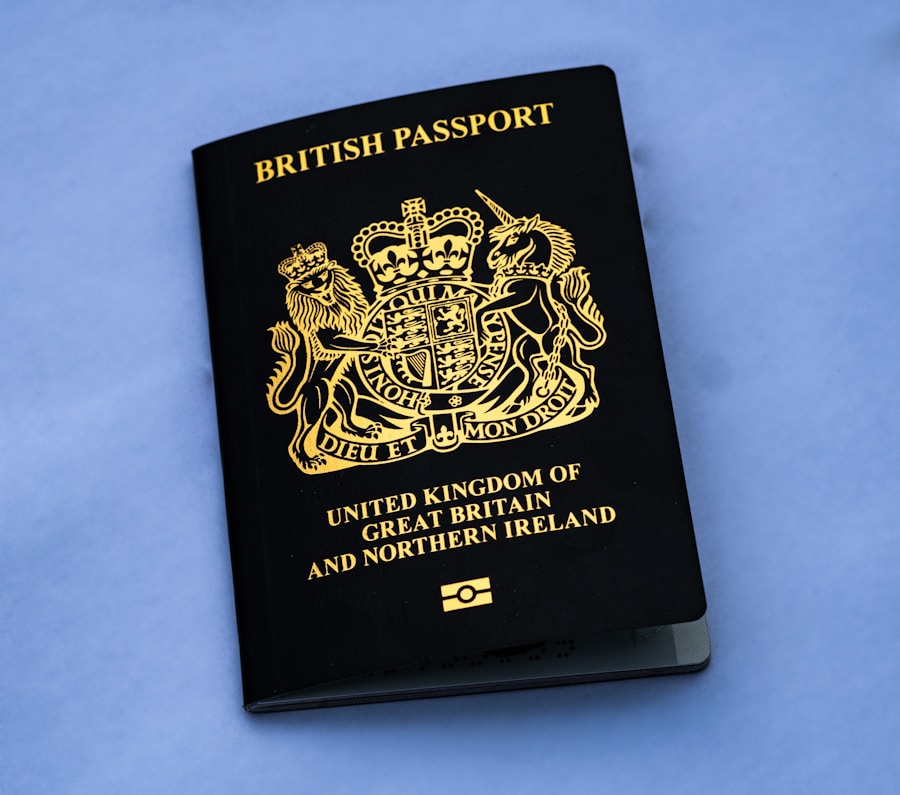
Labels have a profound impact on shaping an individual’s identity. Whether it’s being labeled as a certain race, gender, sexual orientation, or any other category, these labels can have both positive and negative effects on how a person sees themselves and how they are perceived by others. For some, labels can provide a sense of belonging and community, while for others, they can lead to feelings of alienation and otherness. The impact of labels on identity is complex and multifaceted, and it’s important to recognize that each person’s experience with labels is unique.
On one hand, labels can provide a sense of identity and belonging. For example, being part of a specific racial or cultural group can provide individuals with a sense of community and shared experiences. This can be empowering and affirming, as it allows individuals to connect with others who share similar backgrounds and experiences. On the other hand, labels can also lead to stereotypes and discrimination. When individuals are labeled based on their race, gender, or sexual orientation, they may face prejudice and discrimination from others who hold biased beliefs about these labels. This can lead to feelings of alienation and marginalization, as individuals may feel like they don’t fit into the narrow expectations associated with their labels.
Embracing the Fluidity of Identity
In recent years, there has been a growing recognition of the fluidity of identity. Rather than being fixed and static, identity is now understood as something that can change and evolve over time. This recognition has led to a greater acceptance of diverse identities and a rejection of rigid categories and labels. Embracing the fluidity of identity means recognizing that individuals may not fit neatly into one category or label, and that their identities may be multifaceted and complex.
One way to embrace the fluidity of identity is by recognizing that individuals may have multiple intersecting identities. For example, a person may identify as both a member of the LGBTQ+ community and as a person of color. These intersecting identities can shape a person’s experiences and perspectives in unique ways, and it’s important to acknowledge and celebrate the complexity of these identities. Embracing the fluidity of identity also means recognizing that individuals may experience shifts in their identities over time. This could be due to personal growth, changing circumstances, or a deeper understanding of oneself. By embracing the fluidity of identity, we can create a more inclusive and affirming society that celebrates the diversity of human experience.
Breaking Free from Societal Expectations
Societal expectations often place pressure on individuals to conform to certain norms and standards, particularly when it comes to identity. Whether it’s expectations around gender roles, career choices, or personal relationships, these societal pressures can have a significant impact on how individuals see themselves and how they navigate their lives. Breaking free from societal expectations means challenging these norms and creating space for individuals to define their own identities on their own terms.
One way to break free from societal expectations is by challenging traditional gender roles and stereotypes. For example, rather than adhering to rigid ideas about what it means to be masculine or feminine, individuals can embrace a more expansive understanding of gender that allows for greater freedom and self-expression. Breaking free from societal expectations also means rejecting narrow definitions of success and happiness. Rather than feeling pressured to pursue certain careers or lifestyles, individuals can explore their own passions and interests without feeling constrained by external expectations. By breaking free from societal expectations, individuals can create more authentic and fulfilling lives that align with their true selves.
Exploring the Intersectionality of Identity
The concept of intersectionality recognizes that individuals have multiple intersecting identities that shape their experiences and perspectives in unique ways. These intersecting identities can include race, gender, sexual orientation, class, ability, and more, and they can have a profound impact on how individuals navigate the world. Exploring the intersectionality of identity means recognizing the complex ways in which these identities intersect and influence each other.
One way to explore the intersectionality of identity is by acknowledging the ways in which privilege and oppression intersect. For example, a person who is both a person of color and a member of the LGBTQ+ community may face unique challenges that stem from the intersection of these identities. By understanding how these intersecting identities shape an individual’s experiences, we can work towards creating a more inclusive and equitable society that addresses the unique needs of diverse communities. Exploring the intersectionality of identity also means recognizing the ways in which different aspects of identity can intersect to create complex and multifaceted experiences. By embracing this complexity, we can create space for individuals to express their full selves without feeling constrained by narrow categories or labels.
Challenging Stereotypes and Assumptions
Stereotypes and assumptions about identity can have harmful effects on individuals and communities. Whether it’s stereotypes about race, gender, sexual orientation, or any other aspect of identity, these assumptions can lead to prejudice, discrimination, and marginalization. Challenging stereotypes and assumptions means actively working to dismantle these harmful beliefs and creating space for more nuanced and accurate understandings of identity.
One way to challenge stereotypes and assumptions is by amplifying diverse voices and experiences. By sharing stories and perspectives from individuals with diverse identities, we can challenge narrow stereotypes and highlight the complexity of human experience. This can help to break down harmful assumptions and create a more inclusive and affirming society that celebrates the diversity of human identity. Challenging stereotypes also means actively confronting biased beliefs and attitudes when they arise. Whether it’s calling out discriminatory language or behavior, or engaging in conversations that challenge harmful assumptions, individuals can play a role in challenging stereotypes in their everyday lives.
Navigating the Journey of Self-Discovery
The journey of self-discovery is an ongoing process that involves exploring one’s own identity, values, beliefs, and desires. This journey can be deeply personal and transformative, as individuals navigate the complexities of their own identities and seek to understand themselves more fully. Navigating the journey of self-discovery means embracing curiosity, introspection, and self-exploration as individuals seek to understand themselves more deeply.
One way to navigate the journey of self-discovery is by engaging in practices that promote self-reflection and introspection. This could include journaling, meditation, therapy, or other forms of self-care that allow individuals to connect with their inner selves and explore their own thoughts and feelings. Navigating the journey of self-discovery also means being open to new experiences and perspectives that challenge our existing beliefs about ourselves. By embracing curiosity and openness, individuals can expand their understanding of themselves and create space for personal growth and transformation.
Celebrating the Beauty of Individuality
Each person’s identity is unique and multifaceted, shaped by a complex interplay of experiences, perspectives, and values. Celebrating the beauty of individuality means recognizing and honoring this diversity, embracing the uniqueness of each person’s identity, and creating space for individuals to express themselves authentically. By celebrating the beauty of individuality, we can create a more inclusive and affirming society that values diversity and empowers individuals to live authentically.
One way to celebrate the beauty of individuality is by creating space for diverse voices and experiences to be heard and valued. This could include supporting marginalized communities, amplifying underrepresented voices, and creating inclusive spaces where individuals feel seen and heard for who they truly are. Celebrating individuality also means rejecting narrow definitions of what it means to be “normal” or “acceptable,” and instead embracing the full spectrum of human diversity. By celebrating the beauty of individuality, we can create a more compassionate and inclusive society that honors the richness of human experience in all its forms.
In conclusion, the impact of labels on identity is complex and multifaceted, with both positive and negative effects on how individuals see themselves and are perceived by others. Embracing the fluidity of identity means recognizing that identity is not fixed or static but can change and evolve over time. Breaking free from societal expectations involves challenging norms and creating space for individuals to define their own identities on their own terms. Exploring the intersectionality of identity means recognizing the complex ways in which different aspects of identity intersect and influence each other. Challenging stereotypes and assumptions involves actively working to dismantle harmful beliefs about identity. Navigating the journey of self-discovery means embracing curiosity, introspection, and self-exploration as individuals seek to understand themselves more deeply. Celebrating the beauty of individuality involves recognizing and honoring the diversity of human experience while creating space for individuals to express themselves authentically. By embracing these principles, we can create a more inclusive and affirming society that celebrates the richness of human diversity in all its forms.